Stack, Teach, Repeat: How African Diaspora Entrepreneurs Are Building Wealth That Outlasts Them

There's a particular kind of hustle that doesn't get enough airtime. It doesn't live in a Silicon Valley pitch deck or a Harvard Business School case study. It lives in group chats, late-night Zoom calls between time zones, and conversations at the kitchen table where a twenty-three-year-old is teaching her mom how to set up a Stripe account. This is the African diaspora economy — and it's moving differently.
Across the US, first and second-generation African diaspora entrepreneurs are doing something that corporate America never quite made room for: building multiple income streams that don't just sustain themselves, but actively feed the people coming up behind them. We're talking NFT drops that fund college tuitions. Consulting agencies that hire cousins fresh off the plane. Digital products that keep generating revenue while the founder is at a family reunion in Lagos or Accra or Kinshasa.
This isn't hustle culture for the sake of grinding yourself into dust. This is intentional, community-rooted wealth-building — and it's reshaping what financial success looks like for a generation that was told to be grateful just to get a seat at someone else's table.
The Side Hustle That Stopped Being a Side Hustle
Ask any diaspora entrepreneur how it started and you'll hear some version of the same story. There was a corporate job — maybe a decent one — and then there was the thing they were doing on evenings and weekends that slowly, quietly, started making more money than the job.
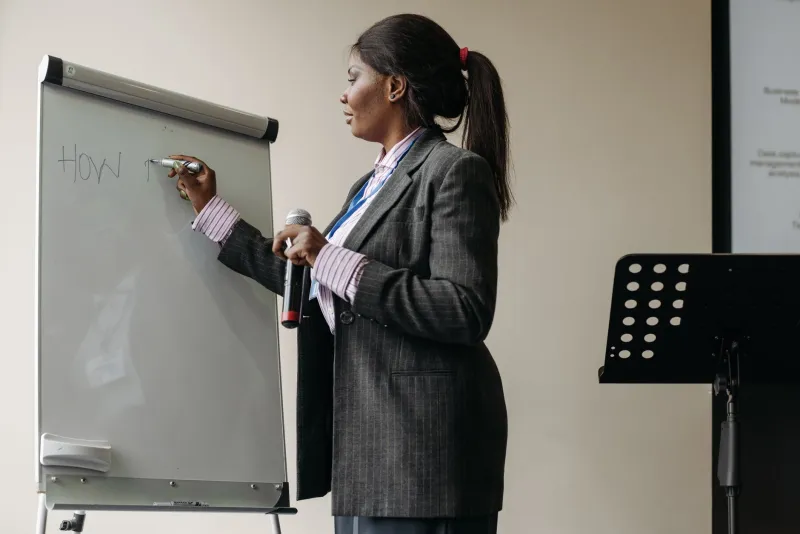
Take Adaeze, a Nigerian-American brand strategist based in Atlanta who started freelancing for Black-owned businesses in 2019 while working a full-time marketing role. By 2021, her freelance revenue had tripled her salary. She left the job, brought on two of her younger cousins as junior consultants, and spent the next year teaching them everything she knew about client acquisition, pricing, and contracts. Today, her boutique agency clears well over a million dollars annually — and two of those cousins have since launched their own ventures using the skills she passed down.
"I wasn't trying to build an empire," she says. "I was just trying to not need permission anymore. But once I figured it out, it felt criminal not to share it."
That philosophy — figure it out, then share it — is the throughline connecting diaspora entrepreneurs across industries, cities, and income brackets.
Multiple Streams, One Vision
What makes the diaspora entrepreneurial model distinct isn't just the hustle — it's the architecture. These aren't people with one business. They're building ecosystems.
A Ghanaian-American content creator in Houston might run a YouTube channel, license her music to brands, sell a digital course on content monetization, and consult for a media company — all simultaneously. A Congolese-American developer in Chicago might have a SaaS product, an NFT collection tied to African visual art, and a weekend coding bootcamp specifically designed for Black and brown teenagers in his neighborhood.
The diversification isn't accidental. It's a response to lived experience. When you've watched a parent get laid off after twenty years of loyalty to a company, or you've seen a community be economically displaced with no safety net, you learn fast that one income stream is a vulnerability, not a strategy.
"My dad worked for the same company for eighteen years and they let him go in an email," says Kwame, a Ghanaian-American entrepreneur who now runs a digital media and consulting business out of Brooklyn. "That was my MBA. I decided right then that I would never have one boss, one client, or one source of anything."
Kwame now runs what he calls a "portfolio life" — multiple revenue streams, all connected by his personal brand, all feeding into a broader mission of building financial literacy content specifically for first-gen African diaspora communities.
The Wealth Transfer Happening in Real Time
Here's the part that doesn't make headlines but probably should: these entrepreneurs are actively, deliberately transferring knowledge to younger family members and community members as they build.
This isn't mentorship in the abstract, inspirational-poster sense. This is granular. This is a twenty-eight-year-old sitting down with her seventeen-year-old brother and walking him through how to register an LLC in their state. This is a group chat where diaspora entrepreneurs share contract templates, tax strategies, and client red flags. This is a Senegalese-American woman in Minneapolis who hosts a free monthly workshop for other African immigrant women who want to monetize their skills but don't know where to start.
The intent is explicit: skip a generation of trial and error. Compress the learning curve. Give the next person a head start that you never had.
"My parents sacrificed so I could go to college," says Amara, a Sierra Leonean-American digital entrepreneur based in the DMV area. "That was their version of generational wealth — education. My version is making sure my little sister never has to start from zero the way I did. She's nineteen and already has a business. That's the point."
NFTs, Consulting, and the New Wealth Vocabulary
The tools of this wealth-building movement are as diverse as the diaspora itself. NFTs became a genuine income vehicle for African diaspora artists and collectors who saw an opportunity to monetize digital creative work without waiting for gallery gatekeepers. Consulting — leveraging corporate expertise to serve smaller, community-aligned clients — has become a fast track to six and seven figures for diaspora professionals who know how to translate institutional knowledge into accessible strategy.
Digital products, from e-books to online courses to templates, have been particularly powerful because they scale without requiring more hours. A course built once can sell indefinitely. A well-positioned digital product can fund a family member's business launch, a parent's retirement, or a sibling's tuition — all from a single asset.
And increasingly, these entrepreneurs are investing in each other. Diaspora angel networks, informal investment circles, and community funds are quietly moving capital in ways that don't get tracked by mainstream financial media but are having a real impact on who gets funded and who gets to build.
Building Something That Doesn't Disappear
What ties all of this together is a particular kind of urgency — not the anxious, scarcity-driven urgency that hustle culture sells, but something more grounded. A sense that wealth, real wealth, is something you build through people, not just for yourself.
The African diaspora has always understood that survival is collective. What's happening now is the translation of that communal instinct into economic strategy. The side hustle becomes the business. The business becomes the blueprint. The blueprint gets passed down.
Corporate America offered a deal: work hard, be loyal, and maybe — maybe — you'll be comfortable. The diaspora entrepreneurs rewriting this story have a different offer on the table. Build your own, learn everything, and then pull someone else up with you.
That's not a side hustle. That's a legacy.