15 Seconds to Change the World: How Diaspora Choreographers Are Rewriting Global Culture One Clip at a Time
Photo: John Singer Sargent, CC0, via Wikimedia Commons
There's a moment — you've probably seen it — where a dance posted from somebody's apartment in Atlanta or a living room in Houston suddenly shows up on a stadium screen in Seoul. No press release. No publicist. Just a body moving in rhythm, a camera, and an internet connection. That's the new diplomacy. And the diaspora is running it.
Forget the State Department. The most effective cultural ambassadors working today are choreographers who probably don't even have a manager yet.
Movement as Message
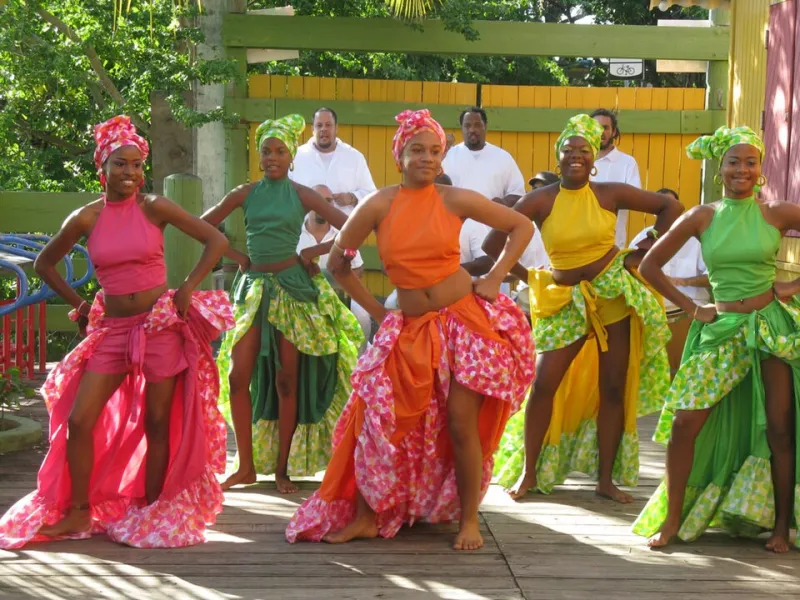
When Ghanaian-American creator Afua Asante posted her spin on the "Mnike" challenge in early 2023, she wasn't thinking about geopolitics. She was thinking about the way her mother's hips moved at family parties in the Bronx. But within two weeks, her version had been replicated by creators in Brazil, Japan, and Germany — each one adding something local, something personal, while keeping the Afrobeats heartbeat intact.
That's not just virality. That's a conversation happening across borders in a language that doesn't require translation.
Cultural theorists have long talked about "soft power" — the ability of a nation or community to attract and influence others through culture rather than coercion. For decades, that power sat with Hollywood, with K-pop agencies, with European fashion houses. But the algorithm doesn't care about institutional backing. It cares about resonance. And right now, nothing resonates globally quite like Black movement.
The Choreographers Holding It Down
Take Kelechi Obi, a 24-year-old Nigerian-American choreographer based in Houston. His "Afro-wave" series on TikTok — which blends traditional Igbo ceremonial movement with contemporary street dance — has racked up over 40 million views across posts. More importantly, it sparked a wave of Igbo cultural curiosity online, with non-Nigerian viewers actively Googling traditions they'd never encountered before.
"I never set out to be a teacher," Obi told us. "But then I started getting DMs from kids in France and the Philippines asking me what the hand gestures meant. That hit different."
Or consider Zara Mensah, a Ghanaian-British creator who relocated to Brooklyn and whose Azonto revival clips became a kind of gateway drug for American Gen Z into West African music history. Her comment sections read like a global cultural exchange — half the replies are people tagging friends with "this is us," the other half are newcomers asking for Spotify recommendations.
These aren't isolated stories. They're a pattern.
When the Mainstream Catches On (and Gets It Wrong)
Of course, with visibility comes the inevitable complication: appropriation. When major pop stars and their choreographers lift movements directly from diaspora creators without credit, the conversation shifts fast. The community notices. The receipts get posted. And increasingly, the original creators have the platforms to respond in real time.
This accountability loop is itself something new. In previous decades, a Black choreographer whose work ended up in a mainstream music video with no credit had limited recourse. Today, a well-placed duet or stitch can reach millions before a PR team even drafts a statement.
But it's not all conflict. Some of the most interesting cultural moments happening right now are the collaborations — diaspora choreographers being brought into mainstream productions not as an afterthought, but as the creative center. That shift, slow as it is, matters.
Diplomacy in the DMs
What makes this moment genuinely different from previous waves of Black cultural influence is the directness of the connection. When Fela Kuti's music crossed continents in the 1970s, it moved through record labels, radio stations, and physical distribution. The diaspora creator was filtered through institutional gatekeepers at every step.
Now? A choreographer in Decatur, Georgia can have a direct creative relationship with a dancer in Lagos, a fan in São Paulo, and a student in Oslo — all before lunch. The Afropole isn't a metaphor anymore. It's a literal network of people moving in sync across time zones.
That network is also doing real diplomatic work that official channels can't. When tensions between African immigrant communities and their American-born children flare — around identity, around belonging, around what it means to be "authentically" African in America — shared dance trends become a kind of common ground. A Naija kid in Maryland and her Ghanaian cousin in London might argue about everything. But they both know the same TikTok dances. They both know the same Amapiano drops. That shared vocabulary is doing something.
The Long Game
The question worth asking isn't whether diaspora dance is influential — that's already obvious. The real question is whether the creators at the center of this cultural moment are being set up to sustain it.
Because virality is a sprint, and culture is a marathon. The choreographers who are going to matter in ten years are the ones building something beyond the clip — the ones turning their TikTok audiences into communities, their communities into businesses, their businesses into institutions.
Some are already doing it. Dance studios rooted in African movement traditions are opening in cities like Atlanta, Chicago, and DC. Online academies are teaching diaspora youth the technique behind the trends. Choreographers are consulting on film and TV projects, finally getting the credit and the contracts they deserve.
Fifteen seconds started it. But the culture they're building is going to last a whole lot longer than that.