Log On, Plug In, Belong: How Diaspora Youth Are Building Their Own Internet
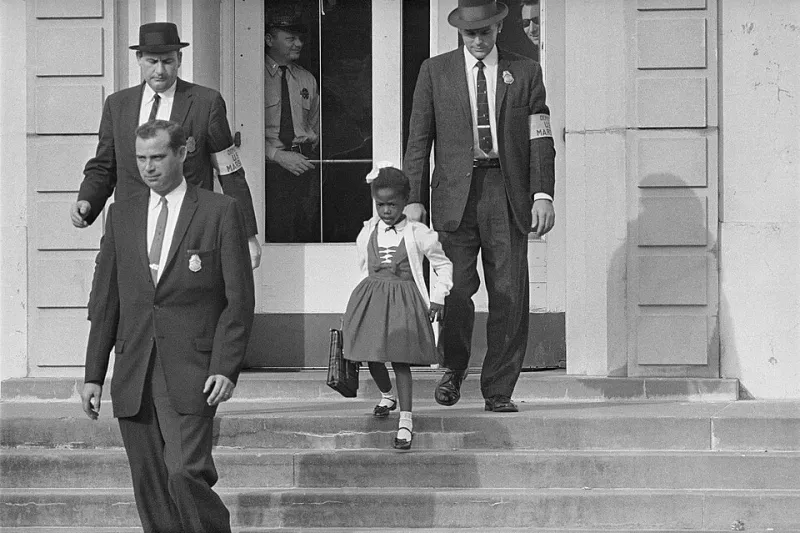
Photo: Uncredited DOJ photographer, restored by Adam Cuerden (a relatively minor restoration), Public domain, via Wikimedia Commons
Let me paint you a picture. It's 2 a.m. on a Thursday in Columbus, Ohio. A nineteen-year-old Nigerian-American named Temi is in a Discord voice channel with thirty-something people she's never physically met — a producer in Houston, a poet in London, a visual artist in Toronto, a DJ spinning from Lagos. They're arguing passionately about whether a new Afrobeats track samples a classic highlife record or just sounds like it does. Someone pulls up a YouTube link. Someone else starts talking about their grandmother's record collection. The conversation spirals, beautifully, into something that feels less like a chat room and more like a living room.
This is the cipher. And it never stops.
The Third Space Has Always Been Everything
Sociologists have a term for the spaces that exist outside of home and work — places where community actually happens, where identity gets negotiated, where culture breathes. The barbershop. The church steps. The block. The rec center. For generations of Black Americans and diaspora communities, these third spaces weren't luxuries. They were lifelines.
But here's the thing about diaspora life in 2024: the geography is messy. You might be the only Nigerian kid in your suburb. Your family might have moved three times before you hit high school. Your cultural community might be scattered across six time zones. The physical third space — the one your parents or grandparents relied on — can feel impossibly out of reach.
So diaspora youth did what diaspora youth have always done: they built something new.
Discord Is the New Barbershop (And TikTok Is the Block)
The platforms are different, but the function is the same. Discord servers dedicated to Afrobeats, Afropunk, African literature, or simply "being Black and nerdy" have become genuine community infrastructure. Some of these servers have thousands of members, structured channels for everything from music sharing to mental health check-ins, and mentorship pipelines that have helped young creatives connect with industry professionals they'd never have encountered in their physical zip code.
TikTok operates differently — more chaotic, more algorithmically unpredictable — but its comment sections and duet culture have created something powerful: a sense of collective participation. When a Nigerian-American creator posts a video explaining the difference between Naija jollof and Ghanaian jollof and the comments erupt into the most spirited culinary debate you've ever witnessed, that's not just content. That's culture happening in real time, across borders, with receipts.
"I found my people on TikTok before I found them anywhere else," says Adaeze, a 22-year-old Igbo-American creator based in Atlanta. "I grew up in a small town in Georgia. I didn't have anyone around me who understood what it felt like to be between two worlds. Then I posted a video about code-switching at Thanksgiving and my phone didn't stop buzzing for three days. People were like, 'that's my life.' That feeling of being seen — you can't put a price on that."
Virtual Events as Cultural Infrastructure
The pandemic accelerated something that was already quietly building. When physical gathering became impossible, diaspora communities didn't scatter — they consolidated online. Virtual listening parties for new Afrobeats drops became weekly rituals. Instagram Live conversations between African artists and their diaspora audiences drew thousands of concurrent viewers. Zoom poetry slams, online fashion showcases, digital gallery openings — the creative community adapted so fast it made your head spin.
What's interesting is that many of these digital formats outlasted the pandemic because they solved a problem that existed long before COVID: the problem of distance. A virtual listening party hosted by a DJ in New York can include a fan in Minneapolis, a producer in Accra, and a music blogger in Birmingham, UK, all in the same digital room. The geography that once fragmented diaspora communities becomes irrelevant.
Collectives like Eko to Brooklyn — a music and arts community that started as a WhatsApp group connecting Nigerian creatives in New York — have evolved into full-blown digital ecosystems, hosting virtual showcases, running mentorship programs, and building the kind of relational infrastructure that used to require a physical headquarters.
What Gets Built in These Spaces
Here's what the mainstream conversation about social media often misses: these aren't just spaces for consumption. They're spaces for production. Careers are being launched in Discord servers. Collaborations are being cooked up in TikTok DMs. Record deals are being brokered because a producer heard a demo in a virtual listening party.
More importantly, identity is being worked out in these spaces. For diaspora youth navigating the particular exhaustion of existing between cultures — never fully American enough, never fully African enough — online communities offer something rare: a space to be fully, messily, unapologetically both.
"The internet gave me permission to stop choosing," says Marcus, a 24-year-old Ghanaian-American producer in Los Angeles. "I can be on a Discord talking about highlife at midnight and then wake up and make a beat that sounds like Atlanta. Nobody's asking me to pick a lane. That freedom changed what I make."
The Limits of the Digital Corner
None of this is without tension. Algorithms can fragment as easily as they connect. Platform shutdowns and bans can wipe out communities overnight. The monetization pressure on creators can turn authentic cultural spaces into content factories. And there's always the question of what gets lost when community moves from the physical to the digital — the spontaneity of running into someone on the block, the sensory richness of being in a room together.
The most thoughtful voices in these communities are clear-eyed about the limitations. Digital third spaces aren't a replacement for physical community — they're a supplement, a bridge, a way of keeping the fire burning across distances that would otherwise let it go cold.
The Cipher Keeps Going
Back in that Columbus Discord channel, it's now 3 a.m. The highlife debate has resolved into a shared playlist. Someone's younger sister just joined the call and is getting a crash course in afrobeats history from a room full of strangers who feel like family. The DJ in Lagos is about to sign off because the sun is coming up there.
The cipher doesn't stop because the community needs it not to. Distance is a fact of diaspora life. Connection is a choice. And right now, that choice is being made millions of times a day, in voice channels and comment sections and group chats and virtual rooms — all across the internet that diaspora youth are quietly, powerfully building for themselves.