These Black-Owned Venues Are Rewriting the Rules of American Nightlife

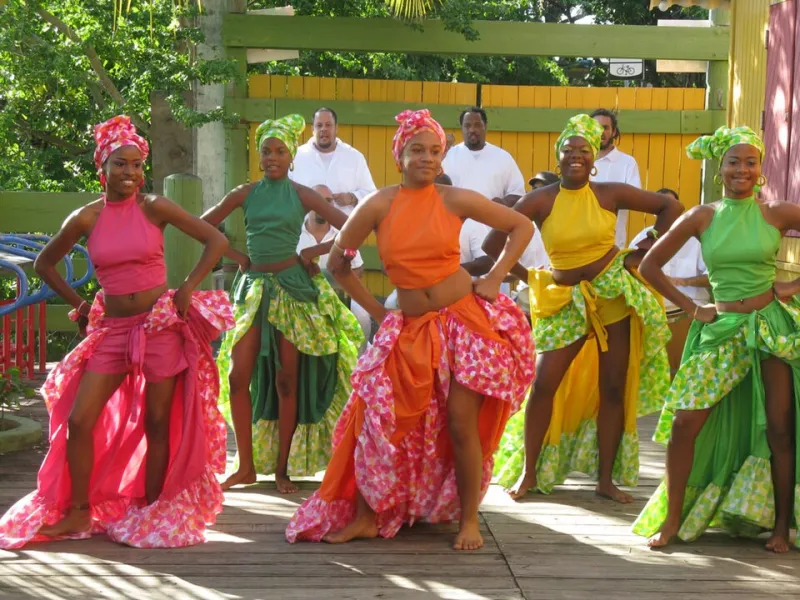
Photo: Black-owned nightclub Afrobeats concert crowd dancing vibrant city nightlife, via wallpapers.com
Walk into the right room on a Friday night in Houston, and something shifts. The bass isn't just music — it's a conversation. The crowd isn't just a crowd — it's a community. The DJ isn't just spinning tracks — they're narrating a cultural story that stretches from Lagos to London to the Third Ward. This is what happens when Black-owned venues stop trying to fit into American nightlife and start building something entirely their own.
Across the country, independent, Black-owned music spaces are quietly — and sometimes very loudly — becoming the most culturally significant rooms in their cities. They're not just places to dance. They're landmarks.
More Than a Venue, Less Than a Corporation
The conventional music venue model has never been particularly kind to diaspora artists or their audiences. Corporate booking pipelines favor established names, mainstream genres, and maximum profit margins. That means Afrobeats, Amapiano, Afro-fusion, and Afropop have historically been squeezed into late-night slots at clubs that don't really understand the culture — or worse, exoticize it.
Black-owned venues are dismantling that dynamic from the inside out.
Take spaces like Ashford & Simpson's Sugar Bar in New York City, which has operated as a haven for soul, R&B, and African diaspora sounds for decades. Or consider newer entrants like venues in Atlanta's Old Fourth Ward neighborhood that have made Amapiano brunches and Afrobeats late-nights a weekly ritual rather than a novelty. These aren't one-off events. They're institutions in the making.
"When you own the room, you set the culture," says one Chicago-based venue operator who books exclusively African and Caribbean diaspora artists. "We don't have to ask permission to play Burna Boy at 11 p.m. We don't have to explain why our crowd wants a live Afrobeats band. It's just the standard here."
That sense of ownership — literal and cultural — is the engine driving this movement.
The Cities Leading the Charge
Atlanta has arguably become the spiritual capital of this venue revolution. The city's deep roots in Black entrepreneurship, combined with a booming Nigerian and Ghanaian diaspora population, have created fertile ground for venues that center African sounds without apology. Spots in Buckhead and East Atlanta Village regularly host sold-out nights dedicated to Afrobeats, highlife, and Afro-soul, drawing crowds that span first-generation immigrants, second-gen kids, and curious non-diaspora music lovers who've been pulled in by TikTok and Spotify algorithms.
Houston is another city to watch. With one of the largest Nigerian communities in the United States, H-Town has seen a surge in Black-owned event spaces that double as cultural centers. These venues host everything from live music showcases to fashion pop-ups to Nollywood film screenings — all under one roof. It's a holistic model that reflects how diaspora communities actually live: in full, layered, multidimensional color.
Chicago's South Side has its own story to tell. Rooted in a jazz and blues legacy that already belongs to Black America, newer venue operators there are layering contemporary African sounds onto that foundation. The result is something genuinely electric — nights where a Fela Kuti tribute set flows seamlessly into an Amapiano DJ set, and nobody in the crowd bats an eye.
Washington D.C., with its significant Ethiopian, Eritrean, and West African communities, has also seen a wave of Black-owned spaces emerge that cater to a more specific diaspora experience. These venues aren't trying to be everything to everyone. They know their audience, they respect their audience, and their audience shows up — every single time.
Supporting Local Artists Without the Gatekeeping
One of the most significant functions these venues serve is as launchpads for local diaspora artists who can't get a foot in the door at mainstream clubs or concert halls. The booking process at a Black-owned, community-rooted venue looks fundamentally different from what you'd find at a corporate entertainment group.
There's less emphasis on streaming numbers and more emphasis on cultural fit, community ties, and raw talent. That shift in criteria has given rise to a generation of artists who built their entire early careers inside these rooms — and who remain fiercely loyal to them even after blowing up.
"My first real show was at a Black-owned spot in Atlanta," says one Afro-fusion singer based in the city. "They didn't care that I had three hundred followers. They cared that I had something to say and that the community would feel it. That's a different kind of support."
This artist-first ethos extends beyond bookings. Many of these venues actively invest in their local scenes through open mic nights, residency programs, and revenue-sharing arrangements that would be unthinkable at a corporate venue. It's a circular economy of culture — the community supports the venue, the venue supports the artists, the artists feed the culture, and the culture builds the community.
Preserving Heritage in a Gentrifying City
There's a harder conversation embedded in all of this, and it's one these venue owners are well aware of: the cities where Black culture thrives are also the cities experiencing the most aggressive gentrification. Venues that anchor a community can also become targets — subject to noise complaints, rezoning pressures, and the kind of slow institutional squeeze that has shuttered beloved Black spaces for generations.
Some owners are fighting back with creative ownership models. Community investment funds, cooperative ownership structures, and long-term lease negotiations are all being deployed as tools to protect these spaces from displacement. Others are building political relationships with city councils and cultural preservation boards to argue — successfully, in some cases — that these venues deserve the same landmark protections afforded to mainstream cultural institutions.
The argument is simple and it's compelling: if a jazz club from 1954 can be considered a historic landmark, a Black-owned Afrobeats venue in 2024 deserves the same respect.
The Afropole Effect Is Real
What's happening in these venues is bigger than nightlife. It's a reclamation project. A generation of Black entrepreneurs, artists, and community builders are refusing to let their culture be filtered through someone else's vision of what it should look like, sound like, or feel like.
They're building rooms where a Yoruba grandmother and her American-born grandkids can dance to the same song and both feel completely at home. They're creating stages where an artist from Accra can connect with an audience in Atlanta and feel the specific electricity of diaspora recognition — that moment when the music says I see you and the crowd says I see you back.
That's not just a venue. That's a landmark. And this movement is just getting started.