Stitch by Stitch: How Independent Black Designers Are Turning African Textiles Into a Fashion Revolution
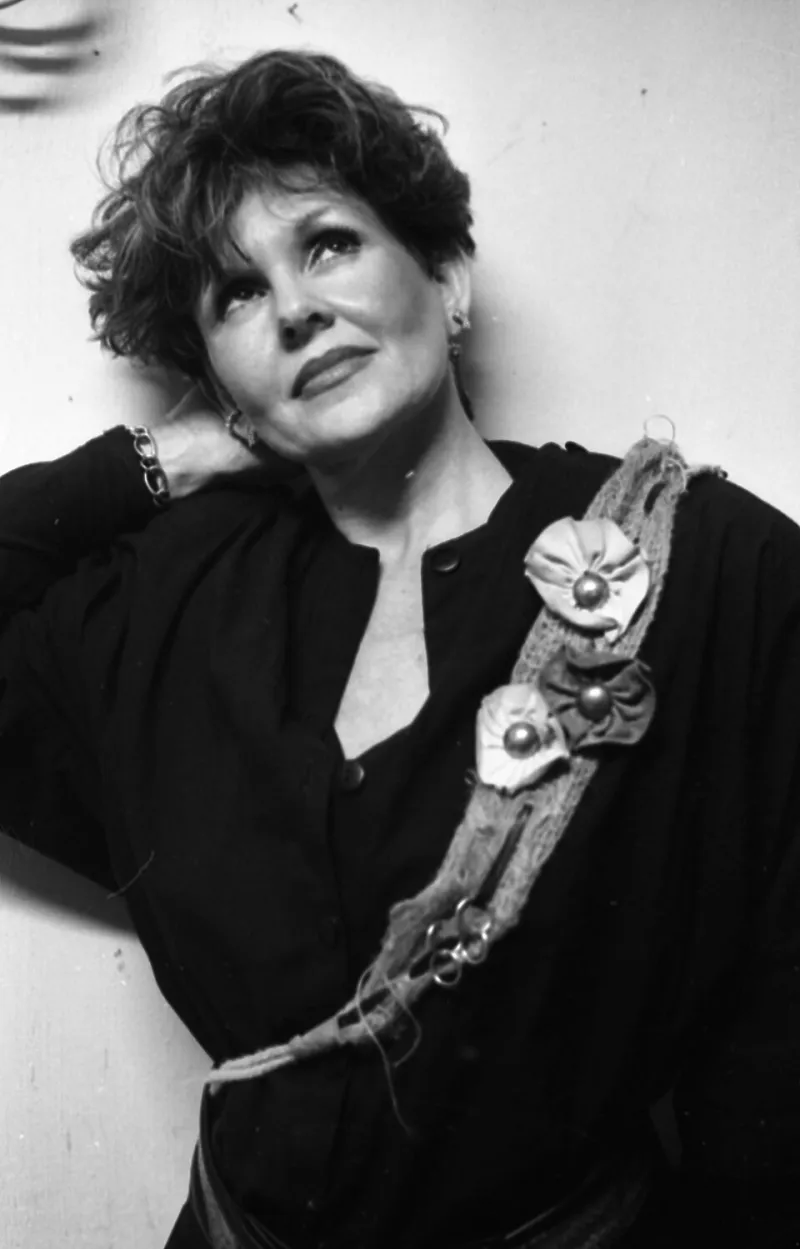
Photo: IPPA photographer, CC BY 4.0, via Wikimedia Commons
For decades, mainstream fashion has had a complicated relationship with African textiles. Runways from Milan to New York have borrowed kente patterns, ankara prints, and mudcloth motifs — often without credit, context, or compensation. But something has shifted. A generation of Black diaspora designers based across the US is flipping that script entirely, building brands that don't just wear African heritage as aesthetic — they carry it as architecture.
This is the fashion underground. And it's moving fast.
The Fabric Isn't a Trend — It's the Point
Walk into any pop-up hosted by designers like Atlanta-based Adaeze Okafor or Brooklyn's Kofi Mensah-Brown and the first thing you'll notice is the way people touch things. Customers run fingers across hand-woven kente panels, hold ankara-lined blazers up to the light, ask questions about where a particular indigo came from. That tactile curiosity isn't accidental — it's the whole strategy.
"I don't sell clothes. I sell provenance," says one Harlem-based designer who sources her fabrics exclusively from weavers in Accra and Ogun State. "When someone buys a piece from me, they're holding a relationship — between me, the artisan who made the fabric, and the tradition that artisan learned from their grandmother."
This storytelling-first approach is what separates these designers from the fast-fashion brands that have long appropriated African prints for mass production. The difference isn't just ethical — it's economic. By centering craft narrative, diaspora designers are justifying and commanding premium price points that put their work squarely in luxury territory.
Cutting Out the Middleman (and the Gatekeeper)
One of the most radical things these designers are doing isn't visible on the garment itself — it's in the supply chain. Rather than sourcing from wholesale distributors who import generic African-print fabric by the bolt, a growing number of US-based Black designers are building direct relationships with manufacturers and artisan collectives on the continent.
This means longer lead times, more complex logistics, and a steeper learning curve. But it also means authenticity that can't be faked — and margins that don't depend on the goodwill of traditional fashion industry gatekeepers.
Designer Nneka Asante, who splits her time between Houston and Lagos, describes her sourcing process as "a relationship, not a transaction." She works with a collective of adire (Yoruba resist-dyed fabric) makers in Abeokuta, placing custom orders that are designed collaboratively. "I don't show up and say 'make me this.' I show up and say 'what are you working on, and how can we build something together?'"
The result is a collection that has sold out twice on her independent website — no retail partnerships, no department store concessions, no fashion week gatekeeping required.
Instagram Ateliers and the New Luxury Audience
Social media has been the great equalizer here. Platforms like Instagram and Pinterest have allowed these designers to build dedicated audiences without the traditional fashion PR machine. A single reel showing the journey from Ghanaian weaver to finished garment can generate thousands of dollars in pre-orders overnight.
But it's not just about virality. The diaspora community in the US — particularly among second-generation African Americans and first-generation immigrants from Nigeria, Ghana, Senegal, and beyond — has been hungry for this kind of representation. Wearing a piece from one of these designers isn't just a fashion choice; it's a cultural statement.
"My customers aren't buying something to wear once," says a Chicago-based menswear designer whose kente-accented suiting has become a staple at weddings, graduations, and Afrobeats concerts across the Midwest. "They're buying something they'll pass down. That changes how they value it — and what they're willing to pay."
Disrupting the Disruption
Of course, success brings its own complications. As these designers gain visibility, the risk of being co-opted by larger brands grows. Several designers interviewed for this piece described receiving outreach from major retailers interested in "collaboration" deals that would have required them to scale production in ways that would compromise their sourcing relationships.
Most said no.
"The moment I start ordering from a warehouse in New Jersey because it's easier, I've lost the whole point," says one designer plainly. "The fabric is the story. If I cut the story out to grow faster, what exactly am I growing?"
This is the tension at the heart of the fashion underground — the pull between scale and soul. And so far, many of these designers are choosing soul, betting that the community they've built will sustain them better than any department store partnership.
What Comes Next
The movement is still young, but its roots are deep. Across cities like New York, Atlanta, Houston, Chicago, and LA, a new generation of Black diaspora designers is proving that African textiles don't need mainstream validation to command mainstream attention. They need stories. They need craft. They need community.
And increasingly, they need each other. Collectives and networks are forming — shared studio spaces, collaborative pop-ups, group buying arrangements that give individual designers more leverage with artisan partners abroad.
The fashion industry has spent years treating African aesthetics as a resource to be extracted. What's happening now is something different: a reclamation. Stitch by stitch, seam by seam, the underground is becoming the foundation.
And it's not asking for permission.